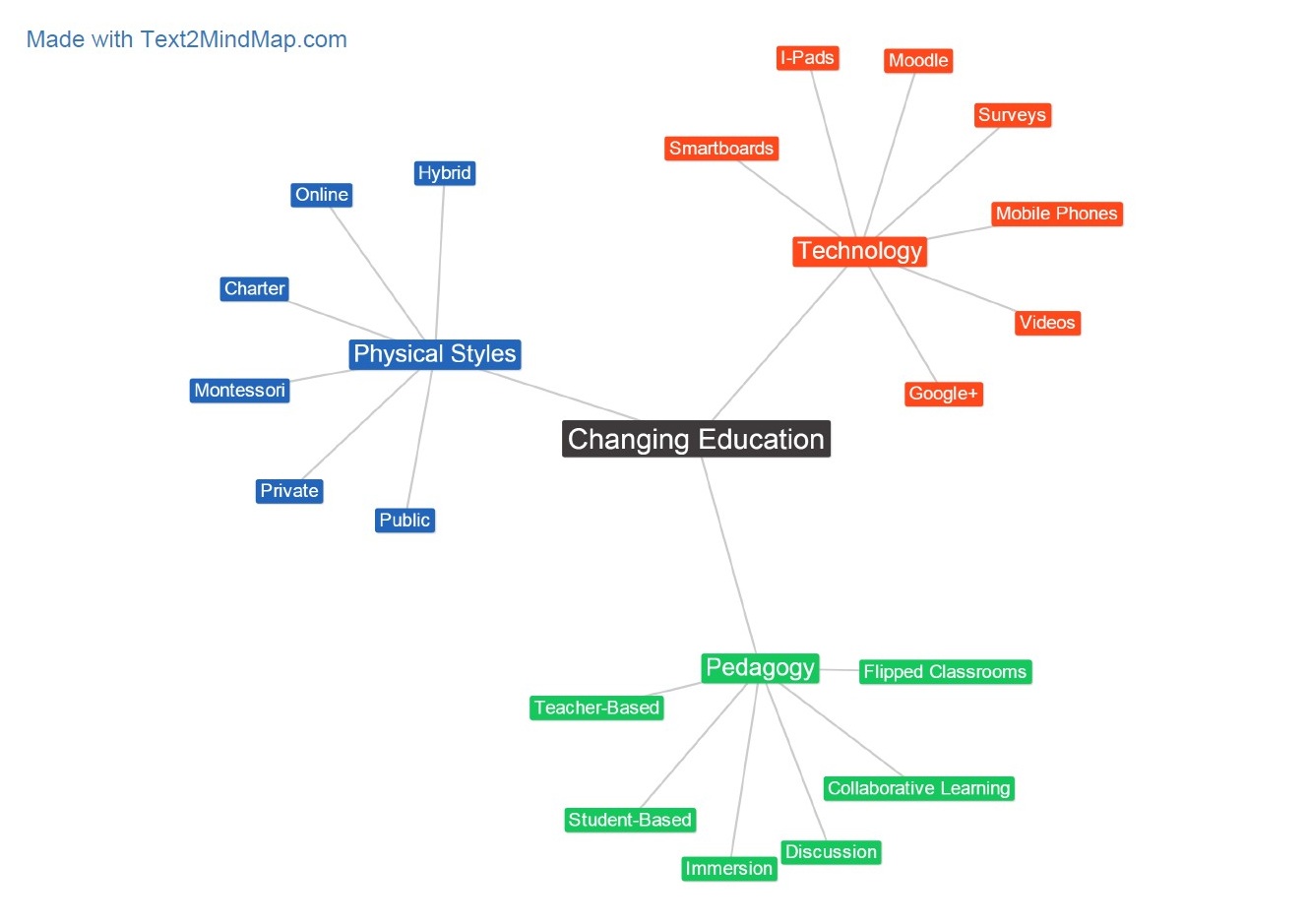
As I left the computer lab after our first class earlier this week, I realized that there are almost endless possibilities when thinking about using technology to help foster a creative and engaging learning environment. Already, our current primary and secondary classrooms are using laptops, I-pads, Chromebooks, cell phones, SmartBoards, and other technology daily. Add to that a wide array of online tools that teachers can utilize to communicate new ideas to their students in order to engage them even further in the learning process, such as using Moodle, Skype, Quizlet, or Facebook groups, and one can already imagine a day when students learn entirely via technology. It is a scary thought, but it also brings us to the idea of wondering whether we are using technology effectively in a way that is hindering or, rather, hopefully furthering our objectives in the education process.
Effective teaching will actively engage the student in the process of learning about new material. One way to engage students is to be relevant. With technology changing so quickly all the time, it’s hard to stay relevant. However, one thing is certain: Teachers need to incorporate technology today. It’s almost not even a choice anymore. Instead of asking if you will incorporate technology into your lesson plan, I think it’s almost easier, more productive, and more relevant to ask these kinds of questions when planning a new lesson:
- What kind of technology will I be incorporating into this lesson?
- At what time will I introduce the technology? How will I state the expectations of using this technology for today’s lesson (explaining what is acceptable/unacceptable in the classroom)?
- Is this the best technology to be using for this lesson plan?
Another way to engage students is to encourage them to ask their own questions. When students are allowed to ask their own questions, they become a lot more interested in finding the answers. This can sometimes lead to small tangents or unexpected conversations, but, with the right mentoring guidance and perhaps a timely use of technology, beautiful lessons can occur.
In ending, I’ll leave with a TED talk that I found recently on sparking curiosity within our students as they learn. The presenter, a high school Chemistry teacher, uses PowerPoint, photos, videos, and sound clips, to make his presentation more appealing. However, the speaker, Ramsey Musallam, also warns that “if we place these technologies before student inquiry, we can be robbing ourselves of our greatest tools as teachers – our students’ questions.” Although incorporating technology into our teaching methods today is a must-have, we also need to think critically about what, when, where, why, and how we use that technology to best serve our ultimate goal of fostering a curiosity to learn within our students.

 Maeve A. Olson