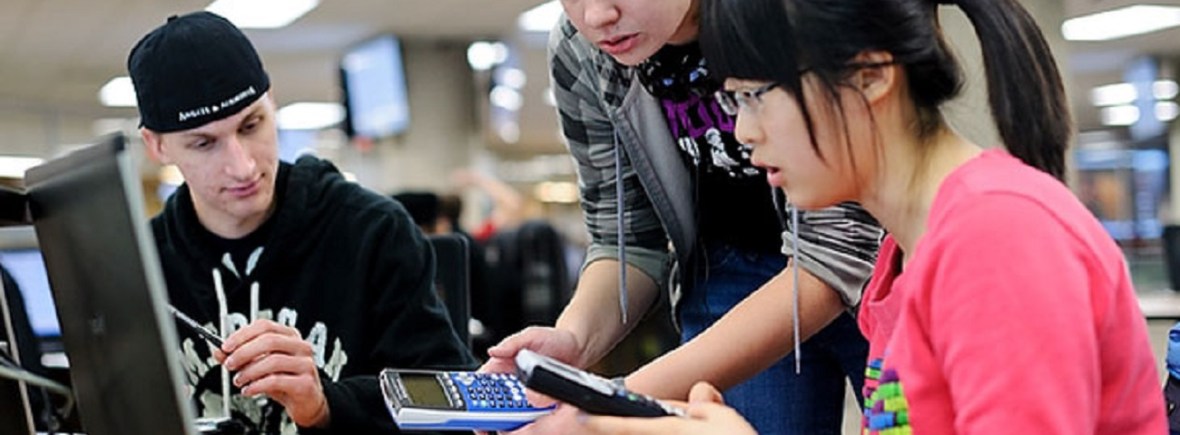
One of my most strongly-held opinions is that every single person is capable of learning, regardless of their age, gender, political beliefs, ethnicity, religious beliefs, disability, or social standing.
I believe that every person has a beautiful wealth of untapped innovation and pattern of thinking that is unique to only themselves. When placed in a safe, fostering, and caring environment, most people can learn to express themselves and open their minds to new ideas and learning.
Learning is a relative term. It is relative because one person’s level of learning may not be equal to that of their peers. While I strongly believe that common goals are important (such as having a state or national standard of education) and that most people tend to rise to meet expectations, I also know that there are some barriers that keep some learners constantly behind others. These barriers often include: disabilities (physical, mental, and emotional), language barriers, and other external social (and political) issues. This means these students may have a different set of learning goals and may need to learn at a different pace or in an entirely different way. Finding the best way to foster and measure that learning for each new group, however, is another discussion, and something that I think is being continually developed.
Everyone can learn, if they are willing to try. Finding and fostering that motivation to continue learning for a student can be a challenge, but it is one that I will gladly accept.
 Maeve A. Olson